Caterpillar MS180 Wheeled Excavator Electrical & Hydraulic Schematic Manual (3LF)
This is the official factory Caterpillar MS180 Wheeled Excavator Electrical & Hydraulic Schematic Manual (3LF). This manual is the definitive technical authority for operators, service technicians, and equipment owners. It provides the high-resolution, factory-spec data required for precision repair, routine maintenance, advanced troubleshooting, and critical technical performance data specifically for the 3LF series platform.
What This Service Repair Manual Covers
The 3LF schematic manual is a specialized document focusing on the complex electronic and fluid-power networks that drive your machinery. It offers a level of technical depth beyond standard shop manuals:
- Detailed Repair Instructions: Precise pathways for identifying wire routings and hydraulic hose connections to ensure accurate system assembly.
- Technical Specifications: Exact voltage requirements, sensor resistance values, and hydraulic pressure settings tailored to the 3LF configuration.
- Advanced Troubleshooting: Systematic logic flows to help diagnose electrical shorts, sensor failures, or hydraulic system sluggishness.
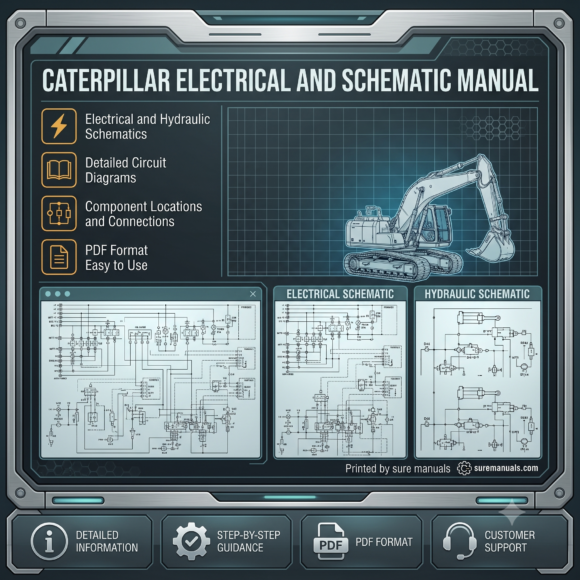
- Complex Diagrams: High-definition, color-coded schematics that allow for granular detail on connector pins, harness junctions, and hydraulic manifolds.
Who Should Use This Manual?
Maintaining high-pressure hydraulics and sensitive electronic controls requires 100% accuracy. This manual is an indispensable tool for:
- Workshops & Service Centers: For performing complex system diagnostics and electronic control module (ECM) troubleshooting.
- Fleet Maintenance Teams: To ensure all MS180 units are calibrated to factory standard safety and performance levels.
- Field Service Technicians: As a portable, searchable reference for on-site repairs where manual tracing of lines is impractical.
- Equipment Owners: To better understand the technical architecture of their machine and assist in identifying specific part needs.
Manual Contents Include
This schematic manual provides exhaustive coverage of the MS180 (3LF) systems, including:
- Main Electrical System Overview & Harness Routings
- Engine Control Systems & Aftertreatment Circuitry
- Main Hydraulic Pump & Control Valve Logic Diagrams
- Swing & Travel System Hydraulic Circuitry
- Operator Station Electronics & Monitor Control Circuits
- Joystick & Pilot Control Hydraulic Logic
- Sensor Locations, Connector End-Views, and Grounding Points
- Emergency Steering & Auxiliary Hydraulic Circuits for Wheeled Stability
Why Use the Official Caterpillar Service Repair Manual?
The MS180 is a precision machine; using generic or outdated diagrams can lead to catastrophic system failure. The official manual ensures:
- Accuracy: Wire colors and hydraulic symbols match your machine’s exact 3LF factory build.
- Safety: Critical safety protocols to protect the technician during high-pressure testing and electrical diagnostics.
- Durability: Ensures repairs are conducted correctly the first time, preventing secondary component failures.
- Efficiency: Drastically reduces diagnostic downtime by providing the exact path of every electronic signal and fluid flow.
Frequently Asked Questions (FAQ)
Is this the official MS180 service repair manual?
Yes. This is the authentic, factory-issued Caterpillar (3LF) Electrical and Hydraulic Schematic manual, the same version used by authorized dealership technicians worldwide.
What format is the manual provided in?
The manual is provided in a high-quality, searchable PDF format. It is optimized for use on laptops, tablets, and smartphones, allowing for easy zooming of complex circuit diagrams without loss of clarity.
How do I receive the manual after purchase?
Upon completion of your purchase, you will receive an instant download link via email. You can save the file immediately and have the technical data ready for use in the shop or on the job site.
Does this manual include troubleshooting and repair procedures?
Yes. It includes the logic maps and circuit diagrams essential for troubleshooting electrical faults, sensor issues, and hydraulic performance problems.


Reviews
There are no reviews yet.